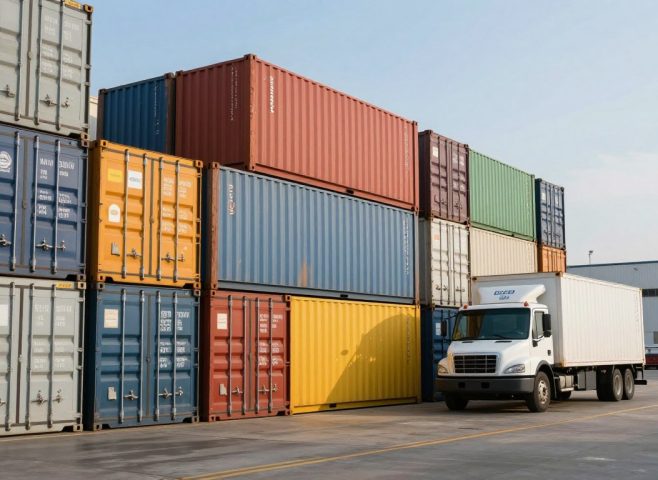
Finding the right storage solution is essential for businesses and homeowners across the United States. A 40 shipping container for sale offers unmatched versatility, serving as the industry standard for large-scale logistics and secure on-site storage.
These robust steel units provide exceptional protection against the elements, keeping your valuable assets safe and dry. Whether you are expanding your warehouse capacity or need a portable workshop, these structures deliver reliable performance.
Securing the best shipping container deals requires a clear understanding of what makes a unit high-quality. By focusing on structural integrity and condition, you can make a smart investment that lasts for years. Our guide simplifies this process, helping you identify the perfect unit to meet your specific project requirements with confidence.
Key Takeaways
- Large steel units provide superior security for both commercial and personal storage needs.
- Durability is the primary benefit of choosing industry-standard logistics equipment.
- Evaluating the condition of the steel is vital before finalizing any purchase.
- Smart buyers prioritize long-term value over the lowest initial price point.
- Proper research ensures you find reliable units that fit your unique space requirements.
Understanding the 40-Foot Shipping Container Market
Modern logistics and the rise of modular construction have transformed how we view 40-foot shipping containers. What was once a simple tool for global freight has become a versatile asset for businesses and homeowners across the United States. This shift in utility has fundamentally changed the way these units are bought and sold.
The current market landscape is heavily influenced by global supply chain fluctuations. When shipping activity slows down, the availability of containers at major US ports often increases. Conversely, high demand for international trade can tighten supply, making it essential for buyers to monitor market trends before committing to a purchase.
Understanding these dynamics allows you to make smarter financial decisions. By recognizing when supply is high, you can often secure better pricing and more favorable delivery terms. This foundational knowledge serves as a guide to help you navigate the complexities of the industry with confidence.
To help you visualize how different market factors impact your purchasing power, consider the following comparison of market conditions:
| Market Factor | High Supply Period | Low Supply Period |
|---|---|---|
| Unit Availability | Abundant options | Limited inventory |
| Average Pricing | Competitive rates | Premium pricing |
| Delivery Lead Time | Faster scheduling | Extended wait times |
| Negotiation Power | High for buyer | Low for buyer |
Ultimately, the 40-foot container market is more than just a place to buy steel boxes. It is a dynamic ecosystem where timing and research play a critical role in your success. Staying informed about these shifts ensures that you get the best value for your investment.
Key 40 Shipping Container for Sale Options and Variations
When you begin your search for a 40 shipping container for sale, you will quickly discover that not all units are built for the same purpose. Choosing the right container type is essential for ensuring your specific storage or transport needs are met effectively. By understanding these options, you can avoid overspending on features you do not need while ensuring you get the necessary capacity.
Standard Dry Van Containers
The standard dry van is the most common choice for general storage and logistics. These units are highly durable and provide a weather-resistant environment for your inventory or equipment. They are ideal for businesses looking for a reliable 40 shipping container for sale that offers a balance between cost and utility.
- Constructed from corrosion-resistant corten steel.
- Features secure, lockable double doors for easy access.
- Perfect for dry goods, furniture, and industrial tools.
High Cube Containers for Extra Vertical Space
If your items are taller than average, a high cube unit is the superior choice. These containers provide an extra foot of vertical clearance compared to standard models, making them a popular 40 shipping container for sale for specialized storage.
The added height is invaluable for bulky machinery or stacked pallets that would not fit in a standard unit. Investing in this extra space often prevents the need for multiple containers, saving you money in the long run.
Refrigerated Containers for Temperature-Sensitive Goods
For items that require strict climate control, refrigerated containers—often called “reefers”—are the industry standard. These units are equipped with advanced cooling systems to maintain a consistent temperature regardless of external weather conditions.
They are essential for transporting or storing perishable goods, pharmaceuticals, or floral products. While they represent a higher investment than a standard 40 shipping container for sale, their ability to protect sensitive inventory is unmatched in the market.
Standard Dimensions and Specifications
Precise measurements are the foundation of a successful shipping container project. Whether you are preparing a foundation or planning transport logistics, understanding shipping container dimensions is vital for a smooth process.
Having these specifications on hand ensures that your chosen site can safely accommodate the physical footprint of the unit. Proper planning prevents unexpected issues during the delivery phase.
External and Internal Length Requirements
A standard 40-foot unit provides a massive amount of storage space. The external length measures exactly 40 feet, while the internal length is slightly shorter at approximately 39 feet and 5 inches.
This difference accounts for the thickness of the corrugated steel walls and the locking door assembly. Always account for the door swing when calculating your total required clearance area.
Width and Height Constraints
Most units feature a standard external width of 8 feet. The internal width is typically 7 feet and 8 inches, which is important for fitting large equipment or furniture.
Height is where you find the most variation in shipping container dimensions. A standard unit stands 8 feet 6 inches tall, while a High Cube model offers an extra foot of vertical space, reaching 9 feet 6 inches.
Weight Capacity and Tare Weight Details
Understanding the weight of your unit is critical for site preparation. The tare weight, or the empty weight of the container, is usually around 8,000 to 8,500 pounds.
You must also consider the maximum payload capacity, which often exceeds 58,000 pounds. Structural integrity depends on placing these heavy units on a level, reinforced surface like gravel or concrete.
| Feature | Standard 40′ | High Cube 40′ |
|---|---|---|
| External Length | 40′ 0″ | 40′ 0″ |
| External Width | 8′ 0″ | 8′ 0″ |
| External Height | 8′ 6″ | 9′ 6″ |
| Tare Weight | 8,380 lbs | 8,750 lbs |
New vs. Used Shipping Containers: Which Should You Choose?
Navigating the market for storage solutions requires a clear understanding of the differences between new and used units. Your specific project goals and budget will ultimately dictate which path provides the best long-term value. While new shipping container costs are higher, they offer a level of reliability and aesthetic appeal that pre-owned units may lack.
Benefits of Investing in One-Trip Containers
One-trip containers are essentially brand-new units that have made only a single journey from the factory to the United States. Because they have minimal exposure to harsh marine environments, they remain in pristine condition. Investing in these units ensures you receive a container free from dents, deep scratches, or significant rust.
These containers are ideal for high-end modifications, such as tiny homes or modern office spaces. You benefit from a clean slate that requires little to no preparation before you begin your build. Structural longevity is the primary advantage here, as you are starting with a unit that has its full life cycle ahead of it.
Cost-Effectiveness of Used Cargo-Worthy Units
If your primary goal is secure storage on a budget, looking at used shipping containers for sale is a smart financial move. These units have served years in the shipping industry but remain certified for continued transport. You can often acquire these containers at a fraction of the price of a new model.
Many businesses choose these units because they prioritize function over appearance. While they may show signs of wear, they are still weather-tight and secure. This makes them perfect for industrial storage or farm equipment protection where cosmetic perfection is not a priority.
| Feature | One-Trip (New) | Used Cargo-Worthy |
|---|---|---|
| Initial Price | Higher | Lower |
| Cosmetic State | Excellent | Visible Wear |
| Lifespan | Maximum | Moderate |
Assessing Wear and Tear Levels
When evaluating used shipping containers for sale, you must look beyond the price tag. Inspect the unit for deep dents, structural patches, or signs of heavy corrosion. While new shipping container costs reflect a lack of damage, used units require a careful eye to ensure you are getting a quality product.
Always check the door gaskets and locking rods for smooth operation. Even if a container has some surface rust, it can still be a reliable asset if the frame remains square and the floor is solid. Balancing your budget against the expected lifespan of the unit will help you make the right choice for your specific needs.
Factors Influencing Shipping Container Prices in the US
If you are planning a project, knowing what drives shipping container prices is essential for your budget. While the base unit cost is a primary concern, several external variables can significantly alter your final invoice. Being aware of these elements helps you avoid unexpected expenses during the procurement process.
Regional Availability and Supply Chain Impacts
Your geographic location plays a massive role in the total cost of your purchase. Containers are often concentrated near major coastal ports and inland rail hubs where international trade occurs. If you live far from these logistics centers, you will likely face higher delivery fees due to the distance the truck must travel.
Supply chain imbalances can also cause local shortages, which drive up shipping container prices in specific regions. It is often wise to check the inventory at your nearest depot before finalizing your plans. Choosing a unit that is already nearby can save you a significant amount on transportation logistics.
The Role of Steel Market Fluctuations
Because these units are primarily made of corten steel, their value is closely tied to the global commodities market. When the cost of raw steel rises, manufacturers and resellers often adjust their pricing to reflect these changes. Market volatility is a standard reality in the shipping industry that affects both new and used inventory.
Customization Costs and Modifications
Many buyers choose to modify their units to better suit their specific needs. Adding features like extra doors, windows, or electrical insulation will increase the total price of your project. These modifications require skilled labor and additional materials, which should be factored into your initial financial planning.
| Cost Factor | Impact Level | Primary Driver |
|---|---|---|
| Delivery Distance | High | Fuel and Labor |
| Steel Market | Medium | Global Supply |
| Modifications | Variable | Labor and Materials |
| Regional Stock | Medium | Local Availability |
How to Buy Shipping Container Online Safely
When you decide to buy shipping container online, your primary goal should be verifying the legitimacy of the provider. Purchasing such a significant asset requires a methodical approach to ensure your money and your cargo remain protected. By following a few simple safety protocols, you can navigate the digital marketplace with complete confidence.
Verifying Seller Credibility and Reviews
Before finalizing any transaction, take the time to research the company thoroughly. Look for a physical business address and a professional website that lists clear contact information. Genuine suppliers are usually happy to provide references or allow you to visit their local depot to inspect units in person.
Check third-party review platforms to see what other customers say about their experiences. Consistent positive feedback regarding delivery times and product quality is a strong indicator of a reliable seller. If a company lacks an online footprint or has suspiciously vague reviews, it is best to look elsewhere.
Understanding Payment Security and Escrow Services
Protecting your financial information is just as important as choosing the right unit. When you buy shipping container online, always prioritize secure payment methods that offer buyer protection. Avoid sellers who insist on untraceable payment methods like wire transfers or cryptocurrency.
Using an escrow service acts as a safeguard for both parties involved in the deal. The funds are held by a neutral third party and are only released once the container has been delivered and verified. This simple step provides peace of mind and ensures that you receive exactly what you paid for.
Avoiding Common Online Scams
Scammers often lure buyers with prices that seem too good to be true. If a deal appears significantly cheaper than the current market average, treat it as a major red flag. Always verify the seller’s identity before sharing any personal or financial details.
Be wary of high-pressure sales tactics that demand immediate payment to “hold” a unit. A reputable company will provide you with a clear contract and a transparent timeline for delivery. Staying vigilant helps you avoid fraudulent schemes and ensures a successful purchase.
| Safety Feature | Secure Transaction | Potential Scam |
|---|---|---|
| Payment Method | Credit Card or Escrow | Wire Transfer Only |
| Pricing | Market Competitive | Unrealistically Low |
| Communication | Professional & Clear | High-Pressure Tactics |
| Verification | Physical Address Listed | Anonymous Contact |
Essential Tips for Inspecting Used Containers
When searching for used shipping containers for sale, your primary goal should be identifying potential structural flaws. A careful physical walkthrough prevents future headaches and ensures your unit remains a durable asset for years to come.
Checking for Structural Integrity and Rust
Start your inspection by walking around the entire perimeter of the unit. Look closely for deep rust, especially along the bottom rails and corner castings, as these areas bear the most weight. Significant dents or bowing in the side walls can indicate that the container was dropped or handled roughly during its service life.
Check the roof for any signs of patching or thin metal that might lead to leaks. A solid, square frame is essential for the longevity of your investment. If the corner castings are cracked or heavily corroded, the unit may not be safe for stacking or heavy-duty storage.
Testing Door Seals and Locking Mechanisms
The doors are the most frequently used part of any container. Open and close them multiple times to ensure the hinges move smoothly without binding. Testing the door seals is vital, as a compromised gasket will allow moisture and pests to enter your unit.
Inspect the locking bars and cams for signs of damage or forced entry. A secure container should lock firmly into place with minimal effort. If the doors do not align correctly, it often suggests that the floor or frame has shifted, which is a common issue with older used shipping containers for sale.
Identifying Signs of Past Chemical Spills
Safety should always be your top priority when evaluating a unit. Look for unusual stains, lingering odors, or peeling paint on the interior floorboards. These can be indicators of past chemical spills or hazardous cargo leaks.
“A container is only as good as its history; always prioritize a clean, odor-free interior to ensure your goods remain protected and your environment stays safe.” — Industry Logistics Expert
If you notice a strong chemical smell or visible residue, it is best to walk away from that specific unit. Investing in a clean, high-quality container provides peace of mind for your storage or modification projects.
| Inspection Area | What to Look For | Action Required |
|---|---|---|
| Corner Castings | Cracks or heavy rust | Avoid if compromised |
| Door Gaskets | Dry rot or tears | Replace if damaged |
| Interior Floor | Stains or odors | Reject if contaminated |
| Side Walls | Deep dents or holes | Patch or avoid |
Logistics and Delivery Considerations
Getting your 40-foot container delivered requires more than just clearing a path. This process is a significant logistical event that demands careful coordination between you and the transport provider. Proper planning at this stage prevents costly delays and ensures a smooth installation process.
Preparing Your Site for Delivery
Before the truck arrives, you must ensure your site is ready to handle the weight and size of a 40-foot unit. The ground should be level, firm, and dry to prevent the container from sinking or shifting over time. You should also clear a path that is at least 12 feet wide and 14 feet high to accommodate the delivery vehicle.
Consider the turning radius required for a long trailer. If your property has tight corners or low-hanging branches, you may need to clear these obstacles well in advance. A solid foundation, such as gravel or concrete blocks, is often recommended to keep the unit stable and off the soil.
“Logistics is the backbone of any successful container project; if the site isn’t ready, the delivery will fail regardless of how good the equipment is.”
Understanding Tilt-Bed and Flatbed Truck Requirements
The type of truck used for your delivery depends on your site’s equipment and space. A tilt-bed truck is the most common choice for residential deliveries because it slides the container directly onto the ground. In contrast, a flatbed truck requires you to have a crane or forklift on-site to lift the container off the trailer.
| Delivery Method | Unloading Requirement | Best For |
|---|---|---|
| Tilt-Bed | None (Self-unloading) | Residential/Small Business |
| Flatbed | Crane or Forklift | Industrial/Construction Sites |
| Side-Loader | None (Hydraulic lift) | Tight Urban Spaces |
Permits and Zoning Regulations for Placement
Never assume that you can place a container anywhere on your property without checking local rules. Many municipalities in the United States have specific zoning ordinances regarding the placement of large storage units. You might need a temporary placement permit, especially if the container will be visible from the street.
Contact your local building department or homeowners association before finalizing your purchase. They can provide guidance on setback requirements and aesthetic standards. Taking these steps early ensures your project remains fully compliant with local laws and avoids potential fines or forced removal.
Creative Uses for Your 40-Foot Container
Versatility is the hallmark of the 40-foot shipping container, offering endless possibilities for builders and dreamers alike. These units provide a durable, weather-resistant shell that can be customized to fit almost any architectural vision. By choosing affordable shipping container options, you gain a robust foundation for projects that go far beyond simple transport.
Converting Containers into Secure Storage Units
Many homeowners and business owners turn to these steel structures to solve their space challenges. Because they are built to withstand harsh ocean conditions, they offer unmatched security for your valuable items. You can easily modify them with shelving, lighting, and climate control to create the perfect environment for your goods.
- Inventory management for small businesses.
- Seasonal storage for lawn equipment and patio furniture.
- Secure tool sheds for construction sites or workshops.
Modular Office and Workspace Solutions
The modern workforce is shifting toward flexible environments, and containers are leading the way. You can transform a 40-foot unit into a professional, quiet workspace that sits right on your property. These modular offices are highly efficient and can be moved if your business needs change in the future.
Adding windows, insulation, and electrical wiring turns a cold steel box into a comfortable office. This approach is often faster and more cost-effective than traditional construction methods. It allows you to create a dedicated focus zone without the high overhead of commercial rent.
Sustainable Tiny Home and Living Projects
For those interested in minimalist living, these containers serve as an excellent starting point for eco-friendly homes. Their modular nature allows for creative stacking or side-by-side configurations to maximize your floor plan. By repurposing these units, you are making a conscious choice to support sustainable building practices.
Whether you are building a guest house, a vacation cabin, or a primary residence, these units offer a unique aesthetic. When you explore affordable shipping container options, you find that the potential for innovation is limited only by your imagination. With the right planning, your container project can become a beautiful and functional space for years to come.
Finding the Best Shipping Container Deals Near You
Securing the best shipping container deals requires a strategic approach to market research. By understanding how different suppliers operate, you can ensure that you are getting the most competitive shipping container prices available in your region.
Comparing Local Depot Prices vs. National Suppliers
Local depots often provide lower transportation costs because they are closer to your delivery site. However, national suppliers frequently offer a wider inventory and more consistent quality standards across their fleet.
- Local Depots: Ideal for saving on delivery fees and inspecting units in person.
- National Suppliers: Better for bulk availability and standardized pricing models.
It is wise to request quotes from both sources before making a final decision. This comparison helps you identify if the convenience of a local provider outweighs the potential volume discounts offered by larger national networks.
Timing Your Purchase for Seasonal Discounts
Market demand fluctuates throughout the year, which directly impacts shipping container prices. Many buyers find that purchasing during the off-peak winter months leads to significant savings on their total investment.
During these slower periods, suppliers are often more motivated to move inventory to clear space. Keeping an eye on seasonal trends allows you to capitalize on these price dips. Planning your project timeline around these lulls is a proactive way to reduce costs.
Negotiating Bulk Orders for Better Rates
If you are planning a large-scale project, you have more leverage to negotiate. Suppliers are generally willing to lower the per-unit cost when you purchase multiple containers at once.
Always ask about volume discounts when requesting a quote for more than two units. By bundling your order, you can secure the best shipping container deals while streamlining your logistics and delivery process. Clear communication regarding your project size is the key to unlocking these professional savings.
Conclusion
Securing a 40-foot shipping container represents a smart move for anyone needing durable storage or versatile construction space. These steel units provide unmatched strength for long-term projects across the United States.
You now possess the knowledge to evaluate quality and navigate the marketplace with ease. Making an informed choice protects your budget while ensuring you receive a unit that meets your specific goals.
Take the next step by reaching out to reputable suppliers like Conex Depot or Mobile Mini to discuss your needs. Your project deserves the reliability that high-quality steel containers offer.
We encourage you to start your search today. Proper planning turns a simple purchase into a valuable asset for your home or business.